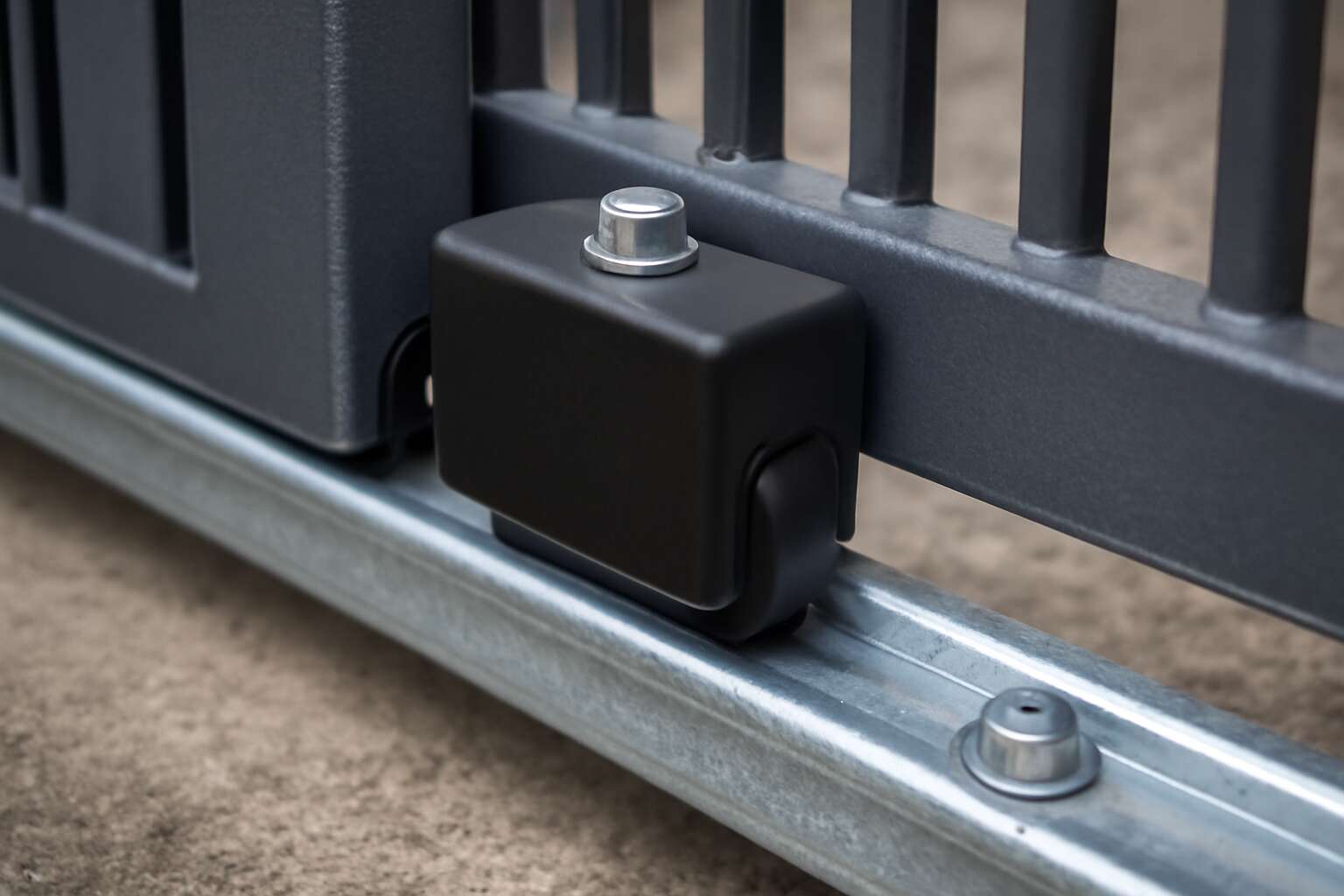
Understanding Sliding Gate Nylon Blocks
Definition and Function – What is a sliding gate nylon block and how does it work?
Within the realm of automated gates, the sliding gate nylon block emerges as an unsung hero—an unassuming guardian ensuring smooth movement through vast landscapes. This tiny yet mighty component is crafted from durable nylon, renowned for its resilience against wear and tear, making it ideal for the demanding environment of sliding gates. Its primary function is to act as a low-friction support, guiding the gate along its track with unwavering precision.
Imagine a gate gliding effortlessly, almost like a mythical creature sweeping through a mystical forest—this seamless motion is often thanks to the sliding gate nylon block. It absorbs shock, reduces noise, and withstands harsh South African weather conditions, ensuring longevity and reliable operation. When installed correctly, this humble block can dramatically extend the lifespan of your gate system.
- The nylon material provides a resilient, low-maintenance solution that withstands the test of time.
- It minimizes friction, ensuring the gate moves smoothly and quietly.
- Designed to endure extreme temperatures, it remains effective whether under the scorching sun or during the chill of winter.
Materials and Construction – Types of materials used and manufacturing processes
When it comes to the construction of a sliding gate nylon block, material choice is paramount. The most common material used is high-grade nylon, a thermoplastic renowned for its exceptional durability and resilience. This material is engineered to withstand the rigors of South Africa’s diverse climate, from scorching sun to sudden winter chills, without losing its shape or performance. The manufacturing process typically involves injection molding, a technique that allows for precise shaping and consistency in production. This ensures each sliding gate nylon block maintains the same high standards of quality and fit.
Beyond nylon, some variants incorporate reinforced fibers or additives to enhance specific properties such as friction resistance and shock absorption. The construction of these blocks often includes a robust internal core, designed to absorb impact and minimize wear over time.
- Material selection
- Injection molding process
- Reinforced fibers for added strength
These elements work together to create a component that not only guides the gate smoothly but also stands the test of time, even in demanding environments.
Common Applications – Typical uses in residential, commercial, and industrial gates
In the bustling landscapes of South Africa, where security and convenience are paramount, the sliding gate nylon block emerges as a silent sentinel—an essential component that ensures the seamless operation of gates across residential, commercial, and industrial settings. These resilient nylon blocks are the unsung heroes guiding gates with a whisper-quiet grace, shielding them from the relentless forces of wear and tear over time.
From the charming suburbs to sprawling industrial complexes, sliding gate nylon blocks serve a variety of applications. Residential estates often rely on these components to provide smooth, reliable access, while commercial properties appreciate their durability in high-traffic environments. In industrial settings, where heavy-duty gates frequently endure impact and harsh conditions, the robustness of these nylon blocks becomes even more critical.
For those seeking the perfect fit, sliding gate nylon blocks come in various configurations, tailored to meet specific environmental and functional needs. Their versatility makes them indispensable in maintaining the longevity and efficiency of sliding gates, ultimately safeguarding assets and ensuring peace of mind in every corner of South Africa’s diverse terrain.
Advantages of Using Nylon Blocks in Sliding Gates
Durability and Longevity – Reasons why nylon is resistant to wear and tear
In the relentless dance of time and elements, the sliding gate nylon block stands as a testament to resilience. Its resistance to wear and tear transforms it from mere component to enduring guardian of your property. Unlike traditional materials that succumb to friction and corrosion, nylon’s inherent toughness ensures your sliding gate operates smoothly for years—sometimes decades—without falter.
What truly elevates the sliding gate nylon block is its exceptional durability. This material, renowned for its resistance to environmental stressors, withstands the harsh South African climate—be it scorching heat, relentless rain, or dust storms. The result? A maintenance-free, dependable component that maintains its integrity through the passage of time.
- High resistance to abrasion
- Excellent chemical stability
- Minimal need for lubrication
These qualities make the sliding gate nylon block an invaluable asset for commercial and industrial gates, where reliability is paramount. Its longevity not only reduces replacement costs but also ensures that the gate’s operation remains whisper-quiet and seamlessly smooth—an elegant harmony of function and longevity that echoes the resilience of the human spirit.
Low Maintenance Requirements – Ease of upkeep and troubleshooting
In the shadowed corridors of industrial strength and resilience, the sliding gate nylon block emerges as a silent sentinel—an unyielding guardian of your property’s integrity. Its low maintenance charm is often overlooked, yet it holds the secret to effortless operation amidst the chaos of daily wear. The true allure lies in its simplicity; a component that demands little more than a whisper of occasional inspection, making it an essential asset in the realm of sliding gates.
Unlike their traditional counterparts, nylon blocks are inherently resistant to corrosion and friction, reducing the need for frequent lubrication. This durability translates into a maintenance routine so minimal that it transforms an often tedious chore into a rare, almost forgotten task. Moreover, their resistance to dust, dirt, and environmental stressors ensures the sliding gate continues to glide smoothly, as if powered by some unseen force—steadfast and unwavering.
For those seeking reliability without the burden of constant upkeep, the advantages of using a sliding gate nylon block are undeniable. Its resilience not only preserves the gate’s pristine operation but also extends its life, making it a choice that echoes both wisdom and foresight.
Smooth Operation and Reduced Noise – How nylon blocks facilitate quiet and seamless movement
In the silent ballet of daily operations, the sliding gate nylon block performs a crucial role—yet it often remains unnoticed. Its contribution to smooth, quiet movement is nothing short of remarkable, transforming the mundane act of opening and closing a gate into a seamless experience. When crafted with precision, the sliding gate nylon block acts as the unsung hero, facilitating effortless operation while reducing wear and tear on the entire system.
One of the most compelling advantages of using a sliding gate nylon block is its ability to significantly curb noise, making it an ideal choice for residential and commercial environments where tranquility is valued. Unlike metal components that clang and rattle, nylon offers a naturally quiet glide, lending an air of elegance to everyday function. This whisper-quiet movement is achieved through its inherent low-friction properties, which ensure the gate opens smoothly without sudden jolts or squeaks.
Furthermore, the durability of the sliding gate nylon block means it remains resilient against environmental stressors—dust, dirt, and moisture—preserving its lubricity and performance over time. Its seamless operation is not merely a matter of comfort but a testament to its sophisticated engineering, designed to reduce maintenance and prolong the lifespan of the entire sliding gate system. For anyone seeking reliability wrapped in understated grace, the sliding gate nylon block is undeniably a superior choice.
Corrosion and Weather Resistance – Performance in diverse environmental conditions
In a landscape where reliability meets resilience, the sliding gate nylon block emerges as an unsung hero—an epitome of engineering elegance that withstands the harshest of South African climates. Its prowess lies not only in facilitating smooth movement but also in its exceptional performance in diverse environmental conditions. Unlike metal counterparts, the sliding gate nylon block possesses innate resistance to corrosion and weathering, ensuring unwavering functionality regardless of the elements.
South Africa’s climate swings from the scorching sun to heavy rains, yet the sliding gate nylon block remains steadfast, impervious to rust and degradation. Its low-friction surface minimizes wear caused by moisture, dust, and dirt, transforming what could be a maintenance nightmare into a seamless, enduring experience. To truly appreciate its robustness, consider these advantages:
- Superior corrosion resistance, extending the lifespan of sliding gates even in humid coastal regions
- Exceptional weather resistance, thriving amidst intense sun, rain, or wind without losing performance
- Enhanced durability, resisting cracking, warping, or deterioration over time
In the realm of sliding gate components, the sliding gate nylon block stands as a beacon of durability and reliability, whispering promises of long-lasting service in every glide. Its ability to perform under South Africa’s diverse climatic tapestry cements its reputation—an elegant guardian of security and convenience that endures through seasons and storms alike.
Key Features to Consider When Choosing a Sliding Gate Nylon Block
Size and Dimensions – Ensuring proper fit and compatibility
In the realm of sliding gate nylon block selection, size and dimensions are not mere numbers—they are the silent symphony that ensures harmony in motion. A perfectly fitted nylon block transforms a clunky gate into a ballet of smooth, whisper-quiet operation, echoing the elegance of engineering artistry. When choosing the appropriate sliding gate nylon block, precision in measurement is paramount; a misstep can lead to undue wear or even system failure.
Consider the weight and size of your gate, as these factors directly influence the nylon block’s dimensions. An oversized block may cause unnecessary friction, while an undersized one can compromise stability. To aid in selection, many experts recommend paying close attention to:
- Overall height and width of the nylon block
- Diameter of the mounting hole
- Compatibility with your existing gate track and frame
In South Africa’s diverse climate, selecting dimensions that ensure a snug, yet flexible fit is essential for enduring performance across weather conditions. The right size not only bolsters durability but also guarantees seamless operation, turning everyday gate movements into a symphony of efficiency and longevity.
Load Capacity and Strength – Supporting gate weight and movement
When selecting a sliding gate nylon block, understanding its load capacity and strength is paramount. This tiny component bears the weight of the entire gate, supporting its smooth, effortless glide. A nylon block with insufficient load capacity risks sagging or even catastrophic failure, disrupting security and convenience. Conversely, a robust sliding gate nylon block ensures resilience against the daily hustle of gate operations, especially in South Africa’s diverse climate.
To gauge the strength needed, consider the overall weight of your gate and its frequency of use. Heavy gates demand a high load capacity, often measured in kilograms or pounds, to withstand constant motion without compromising performance. Some models feature reinforced nylon or additional support structures, enhancing durability in demanding environments. The right sliding gate nylon block combines strength with precision engineering, transforming routine gate movements into a ballet of silent, dependable motion!
Material Quality and Composition – Quality standards for optimal performance
Choosing the right sliding gate nylon block hinges on more than just size—it’s about the quality of the material and its composition. A nylon block of superior quality provides consistent performance, resisting the wear and tear caused by daily gate operations. When selecting, look for materials that meet established standards for durability, ensuring your gate remains stable and functional over years of use. The composition of the nylon, including additives or reinforcements, can significantly influence its resilience against South Africa’s diverse climate conditions.
Opting for a high-grade sliding gate nylon block means investing in components that withstand temperature fluctuations, moisture, and UV exposure. Some models incorporate reinforced nylon or hybrid materials, boosting their capacity to support heavy gates and intense usage. This blend of strength and flexibility makes a marked difference, especially in areas where environmental factors challenge lesser materials. Remember, the right material quality and composition are the foundation of a smooth, long-lasting sliding gate system.
Design and Compatibility – Integration with existing gate systems
When selecting a sliding gate nylon block, compatibility with your existing gate system is paramount. A perfect fit ensures smooth operation and minimizes wear, preventing costly repairs down the line. The design must align with the track and roller mechanisms already in place, creating a seamless integration that feels almost supernatural in its efficiency. If the nylon block is too small or too large, it can cause jerky movements or excessive strain on the motor—disrupting the harmony of your gate’s rhythm.
To guarantee optimal compatibility, consider the precise dimensions and mounting configurations of your sliding gate nylon block. Some models feature adjustable fittings or multiple mounting options, making them versatile for various gate styles and sizes. Remember, the right nylon block doesn’t just support the gate; it elevates the entire system’s performance, turning what could be a mundane chore into a whisper-quiet glide. When compatibility is flawless, you’ll experience a level of operational finesse that borders on the uncanny—lasting for years, unaffected by South Africa’s diverse climate conditions.
Installation and Maintenance Tips for Nylon Blocks
Proper Installation Procedures – Step-by-step guidance for secure fitting
Installing a sliding gate nylon block isn’t exactly rocket science, but it does require a touch of finesse. Think of it as fitting the cornerstone of a smooth-operating gate system—skimp here, and you might be stuck with squeaks and jams faster than you can say “malfunction.” The secret? Proper installation procedures that ensure the nylon block is securely fitted to withstand the relentless South African sun, wind, and the occasional curious kudu.
Start by carefully aligning the nylon block with the gate track, making sure it’s seated snugly within the designated slot. Using a level and measuring tape helps guarantee a perfect fit, preventing uneven wear and tear. For added durability, consider a step-by-step approach:
- Remove any old or worn-out components.
- Clean the mounting area thoroughly, removing dust and debris.
- Secure the nylon block with high-quality bolts, ensuring they’re tightened to manufacturer specifications.
Regular maintenance is equally vital. Check for signs of wear, lubricate the sliding mechanism as needed, and replace the sliding gate nylon block if it shows cracks or significant deterioration. A little TLC keeps your gate sliding smoothly, quietly, and reliably—no matter what South Africa’s weather throws your way!
Routine Inspection and Upkeep – Scheduled checks and maintenance tips
Routine inspection and upkeep of your sliding gate nylon block are the silent sentinels guarding the longevity of your gate system. In the unpredictable climate of South Africa, where harsh sun, gusty winds, and dust storms are common visitors, regular maintenance becomes not just a chore but a necessity. A well-maintained nylon block ensures your gate glides effortlessly, whispering its smooth operation with each opening and closing.
To keep your sliding gate nylon block performing at its peak, schedule periodic checks—at least once every three to six months. Look out for cracks, chips, or signs of excessive wear that could compromise its function. Lubricating the sliding mechanism with a suitable, weather-resistant lubricant can significantly reduce friction and noise, prolonging the life of the nylon component. Remember, a simple inspection can prevent costly repairs and downtime down the line.
When it’s time for replacement, ensure you choose a nylon block that matches the size and load capacity of your gate. A misfit component not only hampers movement but also accelerates deterioration.
- Check the mounting bolts for tightness—loose fittings can cause uneven wear.
- Clean the area thoroughly to remove dust, dirt, and debris that could interfere with smooth sliding.
Proper upkeep of your sliding gate nylon block transforms a routine maintenance task into a safeguard for seamless, quiet operation, no matter the weather conditions that South Africa throws your way. Keep it pristine, keep it moving—your gate’s silent guardian deserves nothing less.
Troubleshooting Common Issues – Identifying and resolving problems
Encountering issues with your sliding gate nylon block isn’t just frustrating—it can threaten the entire security and functionality of your gate system. When problems arise, a keen eye and a methodical approach become your best allies. Troubleshooting often involves pinpointing the root cause of uneven movement, noise, or sticking, which can stem from misalignment or debris buildup.
Firstly, always verify that the nylon block is properly installed and securely fitted. Loose mounting bolts are common culprits that cause irregular wear and hinder smooth operation. If you notice excessive noise or jerky movement, inspect the nylon component for cracks, chips, or signs of deterioration. Over time, debris such as dust and dirt can accumulate around the sliding mechanism, creating unnecessary friction. Cleaning the area thoroughly and applying a weather-resistant lubricant can often restore seamless sliding.
In some cases, the nylon block may need replacement to maintain consistent performance. When selecting a new nylon component, ensure it matches the size and load capacity of your gate. An ill-fitting nylon block accelerates deterioration and compromises the entire system. To assist in troubleshooting, consider this:
- Check for loose or damaged mounting hardware.
- Clean the sliding track and nylon block thoroughly.
- Lubricate the mechanism with a suitable weather-resistant lubricant.
- Inspect the nylon block for cracks or excessive wear.
- Replace the nylon block if damage or wear is evident.
Addressing these issues promptly ensures your sliding gate nylon block continues to perform reliably, guarding your property against the unpredictable South African climate. Troubleshooting isn’t just about fixing problems—it’s about preserving the silent, effortless glide of your gate for years to come.
Where to Buy Quality Sliding Gate Nylon Blocks
Trusted Manufacturers and Suppliers – Top brands and reputable sources
Finding high-quality sliding gate nylon blocks in South Africa can significantly impact the reliability and longevity of your gate system. Trusted manufacturers and suppliers offer products that meet rigorous standards, ensuring durability and smooth operation. When choosing where to buy a sliding gate nylon block, it’s vital to consider brands with proven reputations for excellence. Top brands often provide a comprehensive range of sizes and load capacities, making it easier to find a perfect fit for your specific needs.
Reputable sources also emphasize the importance of material quality and compliance with industry standards. By purchasing from established suppliers, you gain access to expert advice on installation and maintenance, prolonging the life of your sliding gate nylon block. Some suppliers offer warranties or after-sales support, adding peace of mind to your investment. Whether for residential or commercial gates, sourcing your sliding gate nylon block from a trusted manufacturer ensures seamless operation and long-term value.
Factors to Consider When Purchasing – Price, warranty, and customer support
When it comes to sourcing a sliding gate nylon block in South Africa, the stakes are higher than simply finding a low-cost option. Quality matters—because a subpar nylon block can turn a smooth-operating gate into a squeaking, unreliable barrier. Price is a crucial factor, but it shouldn’t overshadow the importance of warranty and customer support. A reputable supplier will offer a warranty that protects your investment long-term, and dedicated customer service can make troubleshooting a breeze.
Consider these essential factors when purchasing your sliding gate nylon block:
- Product durability and material quality
- Warranty coverage
- Availability of after-sales support
By prioritizing these elements, you ensure your gate system remains resilient against wear and environmental challenges. Navigating the market with these criteria in mind will lead you to trusted brands and suppliers, making your choice both secure and strategic. After all, the right sliding gate nylon block isn’t just a purchase—it’s an investment in seamless security and peace of mind.
Online vs. Local Purchase Options – Pros and cons of each method
When it comes to acquiring a sliding gate nylon block, the debate between shopping online or heading to a local supplier is as lively as a Pretoria traffic jam. Online shopping offers the allure of convenience—imagine browsing from your couch while sipping rooibos tea—yet it can sometimes feel like throwing a dart in the dark. You might end up with a nylon block that’s not quite up to scratch, or worse, incompatible with your gate system.
On the flip side, local purchase options provide the tangible benefit of face-to-face interaction. You can inspect product quality firsthand, ask seasoned experts for advice, and even get a feel for the supplier’s reputation. However, these stores might lack the extensive range or competitive prices found online, which can make your quest for the perfect sliding gate nylon block feel like hunting for a needle in a haystack.
- Availability of expert guidance
- Immediate inspection and hands-on assessment
- Potentially higher prices and limited selection
Ultimately, your choice hinges on what you value most—convenience or confidence. Both avenues can lead to a durable, high-quality sliding gate nylon block, but knowing the pros and cons of each ensures that your investment in seamless security isn’t just a shot in the dark.
Cost Considerations and Value for Money
Pricing Range for Nylon Blocks – Average costs and pricing tiers
Cost considerations for a sliding gate nylon block vary widely depending on quality, size, and supplier. While the initial investment might seem modest, it’s essential to weigh this against long-term durability and performance. A low-cost nylon block may save money upfront but could compromise on load capacity or weather resistance, leading to more frequent replacements. Conversely, investing in premium materials often results in better longevity and smoother operation, ultimately offering better value for money.
Pricing ranges for nylon blocks typically fall into three tiers: budget, mid-range, and premium. Budget options might start around R150 to R250 per piece, suitable for light residential gates. Mid-range nylon blocks, priced between R250 and R400, often feature enhanced durability and better weather resistance, making them ideal for high-traffic or industrial gates. Premium nylon blocks, costing R400 and upwards, provide superior load capacity, noise reduction, and extended lifespan—important factors in commercial applications where reliability is paramount.
Understanding these price ranges helps buyers make informed decisions that balance initial costs with long-term benefits. The right choice ensures your sliding gate nylon block performs seamlessly while minimizing maintenance costs over time. Ultimately, selecting a quality nylon block is an investment in both safety and operational efficiency that pays off in the long run.
Long-term Savings and Benefits – Durability reducing replacement costs
In the intricate dance of security and convenience, the sliding gate nylon block emerges as an unsung hero—an element often overlooked yet vital to the seamless operation of gates that shield homes and enterprises alike. When considering long-term savings, it’s essential to weigh not just the initial price tag but the enduring value that a quality sliding gate nylon block can bring. A well-chosen nylon component can withstand the relentless forces of weather and wear, reducing the frequency—and cost—of replacements over the years.
Durability is the cornerstone of true value. Investing in a premium sliding gate nylon block may seem costly upfront, but it pays dividends in extended lifespan and maintenance reduction. Such nylon blocks resist corrosion, endure harsh environmental conditions, and maintain their smooth glide and quiet operation longer, ensuring your gate’s performance remains impeccable. Think of it as a strategic alliance—an alliance that guarantees your gates function flawlessly, with less downtime and fewer expenses.
To appreciate the true worth of a sliding gate nylon block, consider the potential savings: fewer replacements, less labor, and minimized disruption. For those seeking an optimal balance, a mid-range nylon block offers a compelling compromise—robust enough for high-traffic scenarios yet economical enough to fit a prudent budget. When long-term benefits are factored in, the choice becomes clear: investing in high-quality nylon components is an investment in peace of mind, operational efficiency, and enduring safety.
Investing in Quality – Why premium nylon blocks are a worthwhile investment
When evaluating the true cost of a sliding gate nylon block, it’s tempting to focus solely on the initial purchase price. However, this perspective can be short-sighted — overlooking the profound impact that quality components have on long-term value. Investing in a premium sliding gate nylon block isn’t merely about immediate savings; it’s about securing a durable, reliable solution that minimizes future expenses and operational disruptions.
High-quality nylon blocks boast exceptional material composition and manufacturing standards, translating into enhanced performance and longevity. They resist corrosion and environmental wear, which is especially vital in South Africa’s diverse climate conditions. This resilience reduces the frequency of replacements and the associated labor costs, ultimately offering better value for money.
- Fewer replacements
- Lower maintenance costs
- Reduced downtime
Opting for a premium sliding gate nylon block may seem like a higher upfront investment, but the long-term benefits outweigh this initial expense. When considering factors like load capacity and weather resistance, the true worth of quality nylon components becomes clear—delivering peace of mind and operational efficiency that pays dividends over years of service. In essence, a well-chosen sliding gate nylon block is an investment in durability, safety, and financial prudence that any property owner in South Africa should appreciate.
Environmental Impact and Sustainability
Eco-friendly Materials – Biodegradable and recyclable options
In a world where the delicate balance between progress and preservation teeters on the brink, the environmental impact of every material choice becomes a silent yet potent force. The sliding gate nylon block, often overlooked, holds a surprising promise in the quest for sustainability. Crafted from eco-friendly materials, these nylon blocks are increasingly designed to be biodegradable and recyclable, reducing the burden on landfills and diminishing the toll on our fragile ecosystems.
By embracing environmentally conscious options, manufacturers are pioneering innovations that prioritize longevity without sacrificing the earth’s well-being. For instance, some sliding gate nylon blocks are now made from recycled plastics or bio-based nylons that decompose naturally, offering a greener alternative for gate systems across South Africa. This shift towards sustainable materials not only aligns with global eco-awareness but also ensures that durability and environmental responsibility walk hand in hand.
- Biodegradable nylon formulations that break down safely over time
- Recyclable nylon blocks that can be repurposed indefinitely
- Materials sourced from sustainable, renewable resources
Choosing a sliding gate nylon block built with eco-friendly materials is more than a mere technical decision; it’s a commitment to safeguarding the natural beauty of our environment for generations to come.
Energy-efficient Manufacturing Processes – Sustainable production practices
In the grand tapestry of sustainable innovation, every thread matters—especially when it comes to the materials that keep our world turning. The environmental impact of a sliding gate nylon block extends beyond mere functionality; it embodies a silent pledge to preserve South Africa’s rich landscapes and urban sanctuaries alike. With manufacturing processes becoming increasingly energy-efficient, the industry is weaving a future where durability and eco-consciousness walk hand in hand.
Modern production practices prioritize sustainability, employing greener energy sources and reducing carbon footprints. This shift ensures that each sliding gate nylon block is crafted with minimal environmental toll, yet without sacrificing strength or longevity. As a testament to this commitment, some manufacturers now utilize recycled plastics or bio-based nylons—materials that decompose naturally or can be endlessly recycled, thereby closing the loop in a truly circular economy.
By choosing a sliding gate nylon block produced through such sustainable methods, consumers embrace a future where environmental stewardship is woven into everyday life. These innovations serve as a beacon of hope—proof that progress does not need to come at the planet’s expense, but rather, can be a catalyst for harmony between human ingenuity and nature’s resilience.
Disposal and Recycling Tips – End-of-life management for nylon blocks
As guardians of both innovation and Earth’s delicate balance, the end-of-life management of a sliding gate nylon block embodies a crucial chapter in sustainable gate technology. These resilient components, designed to withstand the relentless demands of daily operation, must eventually return to the earth without leaving a toxic legacy. The environmental impact of nylon blocks is significantly mitigated when properly disposed of or recycled, transforming what might be waste into a resource for future creation.
Recycling a sliding gate nylon block is more than a responsible choice; it is a statement of commitment to a circular economy. Manufacturers in South Africa increasingly employ eco-conscious materials—such as recycled plastics and bio-based nylons—that decompose naturally or are endlessly recyclable. This approach reduces landfill burden and conserves precious resources, ensuring that each nylon block’s lifecycle nurtures the environment rather than depletes it.
To extend the life of your sliding gate nylon block and promote sustainability, consider these disposal tips:
- Always verify local recycling regulations for plastics to ensure proper disposal.
- Opt for recycling facilities equipped to handle nylon and similar polymers.
- When replacing a worn or damaged nylon block, ask your supplier about take-back or recycling programs.
In South Africa’s quest for greener horizons, end-of-life management isn’t merely a necessity—it’s an act of ecological artistry. Every nylon block recycled or responsibly disposed of contributes to a future where durability, sustainability, and innovation dance in harmonious unison, echoing the silent promise to preserve our landscapes for generations to come.



0 Comments