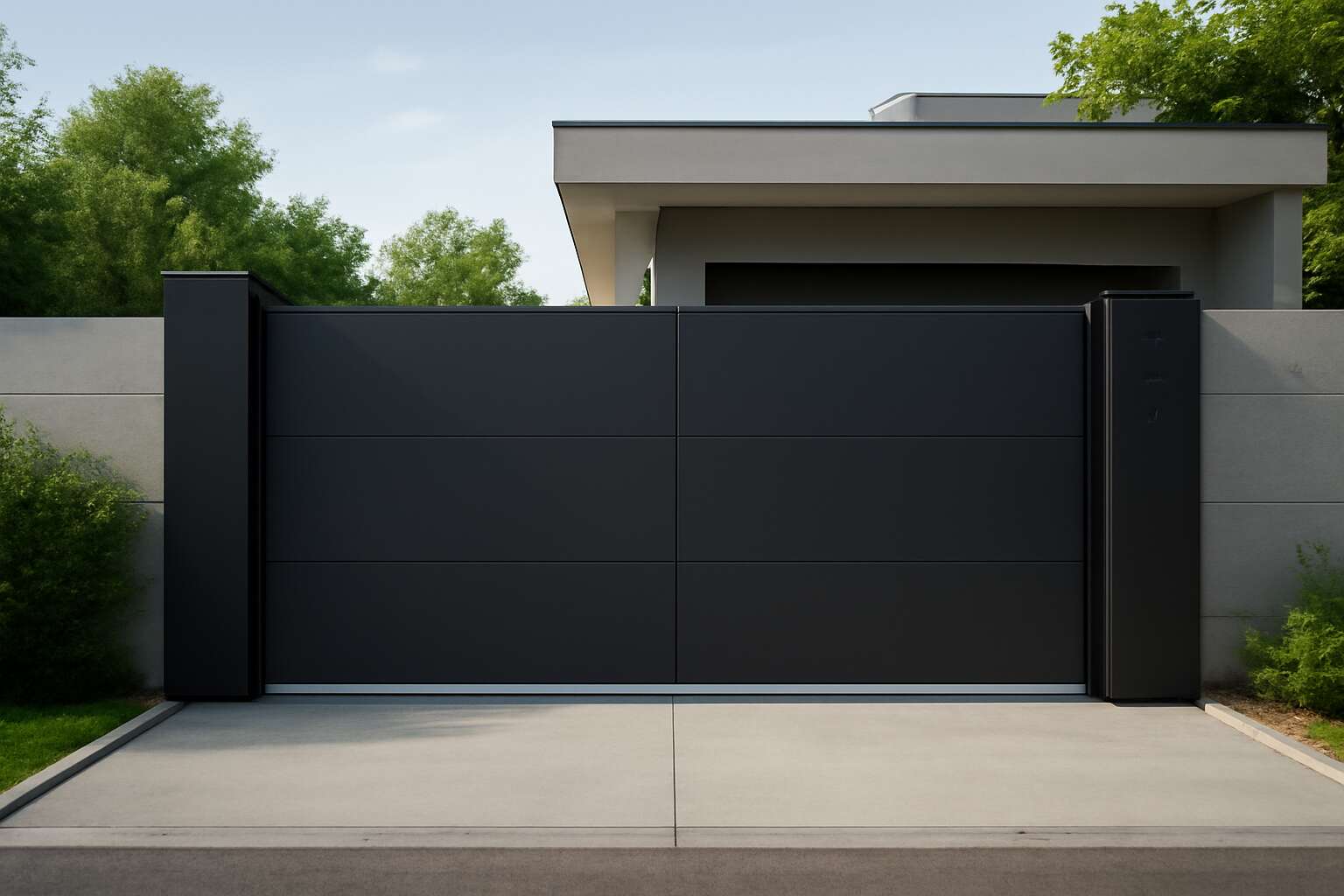
Wheelless Sliding Gate Design and Function
What is a wheelless sliding gate and how it works
A gate that moves like a whispered confidant changes a property. In South Africa, the sliding gate without wheels design blends security with grace, sidestepping wheel hazards. The result is fewer jams, quieter operation, and a welcoming presence after dusk.
Functionally, these gates rely on floor channels, magnetic guidance, or rollerless bearings—avoiding exposed wheels while maintaining precise alignment under load. Counterbalance systems ensure smooth travel with minimal effort, even in hot South African driveways.
- Floor channels or magnetic rails
- Counterbalance instead of wheels
- Low-friction bearings
Ultimately, the wheelless approach offers safety through restraint and longevity, a design ethos resonating with discerning clients who value form, function, and lasting value in South African properties.
Key design principles for stability and safety
Security is a daily negotiation between function and feeling! The wheelless design earns quiet trust by removing exposed moving parts, and it does so with a calm confidence that resonates on South African properties. Above all, stability and safety come from deliberate choices about guidance, balance, and restraint.
A properly engineered sliding gate without wheels reduces maintenance while keeping guardianship unobtrusive. Its stability rests on a hidden guidance system, a counterweight that eases the load, and bearings chosen for long life. Principles to watch for:
- Discreet guidance system that keeps precision without visible wheels
- Counterbalanced travel to minimize effort
- Premium bearings and surface materials for longevity
In the end, these choices create gates that feel anchored—secure, serene, ready to endure the South African dusk.
Materials and finishes commonly used
South Africa’s driveways deserve more than mere access; they crave guardians whose presence is felt, not shouted. A disciplined design ethic shelters a home and its inhabitants, turning entry into a moment of quiet assurance—visible in silhouette, unseen in noise, weathering every dusk with calm resolve.
For finishes, the sliding gate without wheels is a promise, not a gimmick: precision without protrusions, strength without ostentation. It leans on climate-hardened materials—stainless steel, powder-coated aluminium, and timber overlays—paired with seals and profiles that shrug off dust and rain while patina grows gracefully.
- Powder-coated steel or aluminium in UV-stable colours
- Brushed stainless steel accents
- Timber veneer or timber-clad panels
Color and texture become a quiet language; the gate remains a steady, respectful companion to South African homes, weathering long evenings and sudden winds with the same unassuming poise.
Pros and cons of wheel-free systems
“Grace costs less than drama.” The wheelless solution moves with a quiet confidence. The sliding gate without wheels glides along its guides, offering disciplined elegance and a surprising resilience to dust, wind, and South Africa’s capricious climate.
- Ultra-silent operation with fewer moving parts and less maintenance
- Requires precise alignment and sturdy framing to prevent sag
- Streamlined aesthetics that boost curb appeal, sometimes at a higher upfront cost
Overall, the sliding gate without wheels is a courteous companion to the home, balancing form and function in a way South African driveways appreciate.
Installation Considerations for Wheel-Free Sliding Gates
Foundation, mounting options, and alignment
Foundations don’t grab headlines, but they save gates. In South Africa’s climate, the longevity of a sliding gate without wheels hinges on a true base. “The gate is only as strong as the ground it stands on,” a seasoned installer says, and messy foundations invite drift and misalignment.
Foundation and mounting choices set the stage for smooth operation. For wheelless setups, aim for a solid, reinforced concrete base or a matching steel frame anchored to a solid structure. Consider these mounting options:
- Reinforced concrete foundation with anchor bolts
- Steel mounting frame secured to a rigid wall or pillar
- Embedded track or flush-mount brackets designed for wheelless operation
Pair with precise alignment: ensure plumb posts, square framing, and measures to accommodate soil movement. In SA conditions, plan for seasonal movement.
Once set, verify that the gate travels smoothly along its path and clears the ground without obstruction.
Track alternatives to wheels and guide systems
Seasonal ground shifts in South Africa can turn a simple install into a maintenance headache. For a sliding gate without wheels, precision starts at the base and stays true along the run. A misaligned track or uneven mounting invites binding and drift that frustrates use and invites costly fixes.
Consider track options that minimize contact with the elements and rely on solid guidance rather than wheels:
- Embedded track that sits flush with concrete for clean clearance
- Low-profile flush brackets attached to a solid structure
- Ground-level rails with corrosion-resistant finishes
Match these with careful leveling, proper drainage, and compatible hardware to keep a sliding gate without wheels operating smoothly year-round in SA climates. Once set, test travel and clearance across the full span to ensure consistent performance.
Site preparation, clearance, and zoning
Ground truth is the first hinge. A sliding gate without wheels relies on clean, honest alignment from the ground up. In South Africa, seasonal shifts test every threshold, so site preparation, clearance, and zoning determine how smoothly a gate moves and how well it endures. The idea—sliding gate without wheels—evokes precision that respects the land rather than fights it.
Key site considerations unfold like quiet architecture. Plan for these elements:
- Site grade and drainage patterns to keep water away from the track.
- Clearance and sightlines to avoid collisions with nearby structures.
- Zoning, setbacks, and easements to satisfy local regulations.
With these considerations, the installation breathes, unruffled by weather and time, and the wheel-free system stays true to its course across the South African landscape.
Safety standards and maintenance access
In South Africa’s mornings, a gate is more than iron and paint—it’s a pact with the land. The sliding gate without wheels embodies that pact, moving with the wind rather than against it. I’ve learned from farmers that ‘a good gate moves with the land.’ Safety and longevity begin here, at the hinge of ground truth and trust.
- Maintenance access points and service clearance
- Robust corrosion protection in rural climates
- Adequate night lighting and visibility guards
These wheel-free installations must honor safety standards and keep maintenance access practical. Local requirements shape how hinges, guides, and the track are integrated, while lighting and clear drainage around the system avert surprises in winter rains and dusty summers alike.
Performance and Maintenance for Wheel-Free Sliding Gates
Routine maintenance and inspection schedules
Performance for sliding gate without wheels hinges on consistent care. South Africa’s climate—dust, heat, and sudden storms—can wear guides and bearings quickly. A well-maintained system stays smoother, quieter, and more secure, turning routine maintenance into quiet confidence rather than headaches.
- Clean debris from the track and inspect mounting surfaces for corrosion.
- Check gate alignment and ensure stops and anchors hold the gate firm.
- Test safety features, such as sensors and auto-reverse functions, under normal operating conditions.
With attentive care, a wheel-free system can outlast flashier designs, delivering dependable performance and peace of mind, even under the SA sun.
Lubrication, tensioning, and moving parts care
Glide, not groan—that’s the unspoken creed of sliding gate without wheels. In South Africa’s blistering sun and plumes of dust, a smoothly moving leaf is a security feature as much as a convenience. When lubrication, tensioning, and moving parts care are dialed in, the gate tracks follow their line with quiet confidence, turning daily operation into a trustworthy ritual rather than a guessing game.
Lubrication sits at the heart of performance. Choose a high-quality metal-to-metal lubricant and apply sparingly to rails and bearings to curb friction, minimize wear, and keep noise down in hot, gritty environments.
Tensioning and moving parts care are equally essential. Preserve even load distribution along the gate leaf, check mounting points for integrity, and monitor stops and anchors so the system remains aligned and secure through winds, storms, and SA’s seasonal temperature swings.
Troubleshooting common gate issues
In the scorched light of South Africa, a sliding gate without wheels that glides on whisper-thin bearings is a quiet triumph of craft. Quiet operation isn’t luck—it’s discipline. “Smooth motion speaks of consistency,” notes a veteran installer, and that discipline keeps your entrance secure while turning daily access into a ritual of trust.
Troubleshooting starts with a handful of simple checks that preserve a confident glide:
- Inspect the track surface for dust and grit; a clean path reduces friction.
- Confirm the leaf sits true within guides; misalignment invites binding.
- Verify mounting points and anchors are tight against wind and vibration.
These quick diagnostics curb noise, stalls, and drift, keeping the sliding gate without wheels operating with the quiet certainty it promises.
With South Africa’s heat and dust, routine inspection remains essential and durable: regular attention prevents minor quirks from becoming stubborn faults if caught early.
Durability, weather resistance, and warranty considerations
South Africa’s climate tests every gate, and a sliding gate without wheels that thrives in heat and dust is a quiet triumph of design. Durability isn’t luck—it’s discipline in metallurgy and geometry. “Durability is memory,” a veteran installer reminds me, and this holds when the leaf glides with steady intent.
Performance is inseparable from weather resistance and the warranty that shields it. Seek coatings that resist UV and salt spray, and materials that stand up to hammering sun and dusty afternoons. A strong warranty should outline coverage for rust, coating wear, and misalignment under wind, with clear service expectations.
- Coating and corrosion warranties, including salt spray exposure
- Coverage for rust, warping, and guide wear under wind
- Exclusions tied to improper installation or neglect
Cost, Value, and ROI of Wheelless Gate Systems
Budgeting: upfront costs and installation
In South Africa, a solid entry system is more than curb appeal; it’s a long-term financial companion. Upfront costs for the sliding gate without wheels hinge on site readiness, material choices, and installation complexity. By cutting wheel-track wear and routine adjustments, it starts delivering ROI sooner and with less ongoing fuss.
Value reveals itself in durability, reduced maintenance, and stronger security. Fewer moving parts mean fewer parts to fail, and a gate that ages gracefully under SA’s sun. The ROI combines savings on service calls with potential boosts in property value and smoother daily operation.
Budgeting for this approach means weighing capital outlay against anticipated life-cycle costs. Factors shaping price include foundation readiness, finish, automation features, and install labor. Key cost drivers:
- Foundation readiness and site access
- Material finishes and corrosion resistance
- Automation, safety sensors, and control interfaces
- Professional fees and warranty terms
Cost comparison with wheeled gates
Across SA, a sharp budget truth gleams: service calls fall when you opt for a sliding gate without wheels. A pro whispers, “maintenance visits shrink by about a third.” The upfront price may kiss the air, but the long view tilts toward lighter wear and fewer tune-ups.
Value here is tactile: durability under South Africa’s sun, quieter operation, and fewer moving parts to fail. The wheelless design ages gracefully, resisting corrosion and rattle. A smoother daily cadence makes automation more predictable and less fussy.
ROI emerges when you weigh lifecycle costs against the upfront spend. With fewer service calls and a longer service life, the payback becomes tangible.
- Lower ongoing maintenance
- Fewer replacement parts
- Property value uplift potential
Long-term savings on maintenance and energy use
Cost can sting at first, until the numbers dance. In SA, maintenance visits shrink by about a third when you switch to a sliding gate without wheels, and energy use stays lean thanks to the smoother, wheel-free motion. The upfront price may be higher, but the long game gives your wallet and your property some room to breathe.
Value here is tangible: durability under South Africa’s sun, quieter operation, and fewer moving parts to fail. The wheelless design ages gracefully, resisting corrosion and rattle. A smoother cadence makes automation more predictable and less fussy.
ROI emerges when you weigh lifecycle costs against the upfront spend. With fewer service calls and a longer service life, the payback becomes tangible.
- Lower ongoing maintenance
- Fewer replacement parts
In practice, those gains translate to calmer budgets and a touch of property value uplift.
Design Trends and Integration for Wheel-Free Sliding Gates
Aesthetic options: materials, colors, and customization
South African driveways are rewriting curb appeal with the sliding gate without wheels. Design trends favour clean lines, honest materials, and a restrained color palette that respects the home’s architecture. The vibe is simple: if it moves, it should look purposeful. Artful motion plus subtle texture is the goal, not showy hardware. Expect powder-coated aluminum, corten steel, and sustainable composites in matte finishes that shrug off sun and dust. Charcoal, warm grey, and deep forest hues are popular across modern façades.
- Powder-coated aluminum
- Corten steel with a protective patina
- Composite timber alternatives
- Laser-cut panels and privacy screens
Designers also value integration: smart controls, discreet lighting, and weather-ready hardware that lasts in SA’s climate. A wheelless gate can be wired for automation or paired with backup power, delivering seamless access during load shedding and a tuxedo-on-a-hinge street presence.
Automation, controls, and remote access
Design trends for the sliding gate without wheels favor quiet precision and honest materials. Smart controls disappear into the frame, while discreet lighting highlights architecture rather than shouting at it. SA homeowners want weather-ready hardware and matte finishes that shrug off sun and dust. The vibe is artful motion—deliberate, purposeful, and free of hardware showiness. Automation should feel like a natural extension of the home, not a gadget. Remote access via apps, touchscreens, or keypad entry is now routine, with battery backup to cover load shedding.
- Geofenced app access for hands-free entry
- Solar-ready power and reliable backups
- Hidden sensors that maintain privacy and safety
The wheel-free design integrates with broader smart-home ecosystems, letting your gate status trigger lighting and security scenes. In SA, this marriage of form and function keeps curb appeal high and maintenance minimal.
Security features: sensors and access control
Across South Africa, 62% of homeowners say curb appeal now hinges on tech that whispers, not shouts. The design world is listening: quiet precision, matte finishes, controls tucked into the frame. The sliding gate without wheels embodies this ethos, moving with the grace of a well-tuned pianist!
Security features center on sensors and access control that respect privacy while keeping intruders at bay. Hidden sensors read like stereotypes: unobtrusive, accurate, and tamper-resistant. Geofenced app access and keypad or token entry create a layered, seamless barrier that feels almost polite in a busy street.
- Geofenced app access for hands-free entry
- Solar-ready power with reliable backups
- Hidden sensors that maintain privacy
Integration notes: The wheel-free design slips into broader smart-home ecosystems; and I appreciate how gate status triggers lighting and security scenes. In SA, this marriage of form and function keeps curb appeal high and maintenance minimal.
Real-world case studies and installation inspirations
Curb appeal now hinges on tech that whispers, not shouts. The sliding gate without wheels blends seamlessly with modern façades—matte finishes, frame-embedded controls, and hardware tucked away for a calm street presence. It moves with the quiet poise of a pianist, signaling security without fanfare.
Real-world installs across SA show design in action.
- Cape Town coastal estate — solar-ready power, hidden sensors, near-silent operation.
- Johannesburg residence — geofenced app access, touch-free entry, privacy-by-design.
- Durban hillside villa — near-invisible track alternatives that align with contours and landscape lighting.
These examples illustrate how design trends meet integration: quiet operation, privacy-smart sensors, and smart-home scenes triggered by gate status.

0 Comments