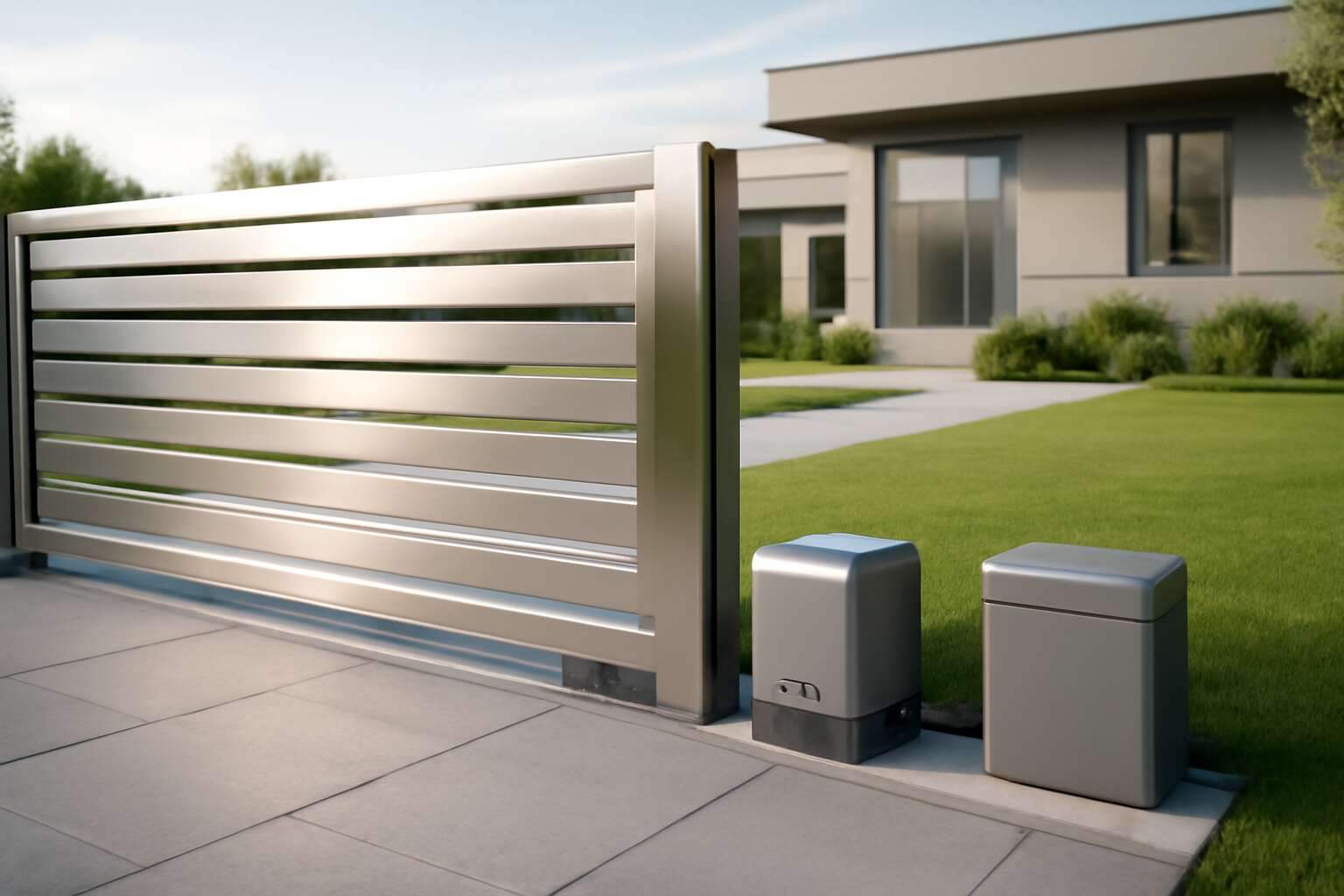
Understanding Sliding Gate Automation and Battery Backup Systems
Choosing the Right Gate Motor Type
Power outages are a daily reality in many South African suburbs, and a gate that won’t open when the grid goes dark isn’t just inconvenient—it’s a risk. The gate’s first line of defense is reliability, and the right automation makes that a given. “The gate is the first line of defense,” a local installer often says, and it’s hard to argue with that.
Understanding sliding gate automation and battery backup systems starts with purpose: keep access smooth while safeguarding property. A sliding gate motor with battery backup ensures movement during outages, minimizes manual handling, and preserves security when the lights go out.
- Battery capacity and run-time during outages
- Motor type and drive system (AC vs DC, gears)
- Safety features and maintenance needs
Choosing the right gate motor type hinges on environment, driveway slope, and installation constraints. For busy households and longer drives, a robust, low-maintenance option pays off; for shorter setups, a compact, quiet model can fit seamlessly with existing fencing and security measures.
Battery Backup Options and Sizing
“The gate is the first line of defense,” a local installer often says. Outages reshape daily life in many South African suburbs, and a gate that refuses to yield is more than a minor annoyance—it’s a risk. Understanding sliding gate automation and battery backup systems begins with purpose: keep access smooth and secure when the grid goes dark. A sliding gate motor with battery backup keeps movement fluent, preserving safety and peace of mind even when power is scarce.
Backup options vary, and sizing must reflect how long outages last and how often the gate moves. Consider these factors as you map the system:
- Battery chemistry and capacity—evaluate lead-acid vs LiFePO4, and size in Ah for the system voltage.
- Charging strategy—integrated charger, solar input, and standby current draw.
- Duty cycle and run-time targets—ensure there’s headroom for peak cycles and temperature effects.
With thoughtful sizing, maintenance becomes routine rather than reactive. Monitor charging efficiency, temperature exposure, and battery age—because a well-tuned backup isn’t a luxury; it’s the gate’s quiet promise when the lights go off.
Safety Features and Compliance
Power outages are not a nuisance here—they redraw daily life. A sliding gate motor with battery backup becomes more than convenience; it’s a quiet anchor when the grid falters. In South Africa, this assurance translates into smoother arrivals, safer perimeters, and fewer bottlenecks at the gate, even as the lights flicker and the city pauses. The right system feels almost invisible—reliable, steady, and ready when you need it most.
Safety features that elevate reliability are built into every thoughtful design:
- Obstacle detection with auto-reverse to protect people and vehicles.
- Manual release and secure access for controlled emergencies.
- Tamper‑resistant housing and weatherproof wiring suited to local conditions.
Compliance isn’t a nuisance; it’s peace of mind. Licensed installers ensure wiring, grounding, and control logic meet local safety standards, and routine diagnostics keep the backup steadily responsive. A well-tuned system harmonizes performance with power resilience, so the gate remains a quiet sentinel rather than a brittle point of failure.
Ultimately, a sliding gate motor with battery backup isn’t merely hardware—it’s a philosophy: secure, accessible, and present even when the lights go off.
Performance and Efficiency of Motorized Gates with Backup Power
Energy Efficiency and Power Consumption
Across South Africa, gate access is more than convenience—it’s security and time saved. The sliding gate motor with battery backup keeps entry smooth when the lights blink, delivering steady performance even during outages. You feel the difference in the cadence of every swing: deliberate, reliable, almost anticipatory.
Performance hinges on efficiency: soft-start techniques reduce peak power, regenerative features reclaim minor energy, and intelligent load management keeps consumption predictable. In practice, that means longer battery life, quieter operation, and reduced wear on gears. The result is a system that respects energy use while preserving instant access, come rain or shine.
- Low idle current for energy savings.
- Soft-start and smooth motion reduce peak consumption.
- Durable drives and smart control extend battery life.
Backup Scenarios: Grid Outages and Remote Access
In 2023, South Africa endured rolling outages that at times stretched to six hours in some regions, turning gate access from habit into necessity. The sliding gate motor with battery backup keeps entry smooth when the lights blink, delivering a steady cadence even through a power lull. Performance and efficiency here aren’t flashy theater; they’re a quiet, relentless promise—energy-smart management that translates to longer battery life, smoother starts, and less wear on the gears.
- Grid outages become predictable pauses, with the gate moving on a steady rhythm rather than a stutter.
- Remote access remains intact, letting you verify status or open doors from anywhere with confidence.
- Durable drives and adaptive controls brave SA weather, reducing maintenance needs and ensuring consistent performance.
In the end, this is more than convenience; it’s a quiet guardian at the gate, turning every hinge into a resilient frontier against the night.
Performance in Different Weather Conditions
South Africa’s climate teaches hardware humility: searing mornings, sudden rain, and drifting dust. In the field, the sliding gate motor with battery backup performs with studied restraint—quietly delivering smooth starts and a steady cadence when voltage dips. I’ve watched it endure the harshest heat and still keep a calm rhythm, a testament to intelligent battery management and precise mechanics that lengthen cycles and soften wear.
- Extreme heat pushes lubricants and electronics to their thermal edge, yet robust sensors steer motion without drama.
- Dust and sand demand tight seals and clean venting to avoid grit ingress.
- Humidity and rain test the drainage and corrosion resistance, keeping gears quiet.
Across seasons, performance follows the weather: sealed housings, corrosion-resistant fasteners, and dust skirts keep the system reliable. With this setup, every sweep stays confident—and that is the promise of a sliding gate motor with battery backup.
Noise Reduction and Vibration Control
In South Africa, load-shedding cycles have become a reality for millions, turning reliability into a moral commodity. A sliding gate motor with battery backup keeps access flowing when the grid falters, delivering quiet starts and a measured cadence as voltage ebbs.
As the gate moves, noise reduction and vibration control matter as much as speed. With soft-start routines, balanced drives, and anti-vibration mounts, the system glides instead of shudders, preserving seal life and user comfort.
- Soft-start and soft-stop reduce peak loads and noise.
- Isolated mounts dampen vibrations for quieter operation.
- Sealed housings guard against dust and humidity.
- Efficient drives extend battery life during outages.
That alignment delivers reliable performance across seasons, where quiet operation becomes a feature you notice rather than a problem you endure, and where every cycle feels like a purposeful, steady decision.
Selecting the Best Gate Motor with Integrated Battery Backup for Your Property
Gate Size, Type, and Drive System Compatibility
Power outages are a South African reality, and a faulty entrance is more than an annoyance—it can be a security breach. Choosing the right system means matching gate size, type, and the drive mechanism to a single, cohesive unit. A sliding gate motor with battery backup keeps the gate moving when the grid is unstable and ensures controlled access at all hours, even in load-shedding cycles.
To aid selection, consider the following:
- Gate size and weight—match torque and the rail/wheel setup.
- Gate type and track design—compatibility with the sliding mechanism.
- Drive system compatibility—rack-and-pinion, belt, or chain configurations.
- Battery backup capacity and charging—runtime, maintenance, and charging method.
In such conditions, a well-chosen unit becomes a steady line of defence rather than a liability.
Battery Type: AGM, Gel, and Li-ion
Power outages have become a daily backdrop in many South African neighborhoods, where four hours of load-shedding isn’t unusual. A sliding gate motor with battery backup becomes more than convenience—it is a line of defence, a quiet guardian that keeps gates responsive when the grid falters. When you think battery type, think long-term reliability wrapped in smart design.
Battery technology matters as much as motor torque. Here are common options to consider:
- AGM: robust and affordable, low maintenance, performs well in varied temperatures.
- Gel: sealed and spill-proof, with steady voltage under heat.
- Li-ion: high energy density, lighter weight, but more costly and temperature sensitive.
Choosing the correct pairing—AGM, Gel, or Li-ion—alongside a sliding gate motor with battery backup means fewer compromises and steadier access through the night. It’s about resilience, not just convenience.
System Compatibility with Home Automation
Resilience is the new luxury in gate tech. With four hours of load shedding becoming the norm in many SA neighborhoods, a driveway that stays responsive is more than convenience—it’s security on auto-pilot. When selecting gear, think of it as future-proofing: you want a capable sliding gate motor with battery backup that keeps the gate moving when the grid yawns.
To ensure seamless home automation compatibility, consider these checks:
- Platform compatibility with your ecosystem (Z-Wave, Zigbee, or Wi‑Fi bridges)
- Control interfaces (app, voice assistants, or remote access) that respond instantly
- Battery health reporting and fault alerts to keep surprises away
Choosing the right pairing isn’t about the loudest motor; it’s about quiet reliability, easy integration, and predictable access through the night.
Warranty, Service, and Support
Four hours of load shedding is fast becoming the norm in many SA neighborhoods, turning gate security into a non-negotiable pillar. Selecting the sliding gate motor with battery backup isn’t just about reach and ramp speed—it’s about who stands behind the kit when the lights blink out! A solid warranty and dependable service are the unseen gears that keep your automated entry moving and your property secure.
Prioritize warranty terms that cover the motor and integrated battery, with clear battery health reporting and prompt fault alerts. Check for a local South Africa service network, availability of genuine parts, and remote diagnostics that flag issues before they stall access.
- Local service coverage and response times
- Genuine parts and firmware updates
- Remote diagnostics and proactive fault alerts
With the right support, maintenance becomes reassurance rather than worry—the gate stays reliable through night and dawn, guarding property and peace of mind.
Cost Considerations and Return on Investment
Four hours of load shedding is the new norm across SA neighborhoods, and it reshapes how you value access control. A sliding gate motor with battery backup isn’t just convenience—it’s protection you can count on when darkness falls. In budgeting, balance the upfront outlay against long-term reliability, installation ease, and the quiet confidence of a system backed by local support.
Cost considerations to keep in view:
- Upfront hardware and installation charges
- Battery replacement schedule and warranty terms
- Ongoing maintenance or service plans
- Potential savings from reduced outages and enhanced insurance eligibility
A well-chosen system pays for itself through fewer malfunctions and calmer nights. Include maintenance checks and remote diagnostics in the broader value story, and the return becomes a narrative of security, convenience, and long-term efficiency.
Installation, Maintenance, and Troubleshooting
DIY vs Professional Installation
Entryways deserve a touch of quiet magic. Installation of a sliding gate motor with battery backup should feel precise, not rushed—secure the mounting, align the rail, and tidy the wiring. After setup, test open and close cycles, adjust speed, and confirm the safety features engage smoothly, especially during load shedding in South Africa.
Maintenance should read as routine, not ritual. Regular checks extend life: inspect seals, lubricate gears, and monitor the battery health in your system. Clear debris from the track and keep sensors free of obstructions so signals stay crisp.
- Check battery voltage monthly
- Clean tracks and sensors quarterly
Troubleshooting should balance confidence with caution. For minor misalignment or sensor niggles, you can DIY a quick realignment. If the motor hums, movement is erratic, or backups fail, call a professional—safety and code compliance demand it.
Routine Maintenance Checklists
In South Africa, 60% of gate faults trace back to rushed installs. That statistic hits like a hailstorm and reinforces that installation should be precise, not performative—especially with a sliding gate motor with battery backup perched at the gate line.
Get the base right: secure mounting, level rails, neatly routed wiring, and a calm, measured test before live power.
- Verify anchor bolts meet torque specs and rails sit squarely.
- Route cables with weather protection and strain relief.
- Run an initial dry-cycle to confirm smooth engagement.
Maintenance should feel routine, not ritual. Schedule simple checks: battery health, track cleanliness, and sensor clearance keep signals crisp and responses reliable.
Troubleshooting should be confident but cautious. If you hear grinding or erratic movement, pause and call a professional—safety and code compliance demand it.
Common Troubleshooting Scenarios
Installation is an act of restraint and precision; a misaligned rail whispers trouble. Mounting must be secure, rails square, and wiring neatly tucked away before power hums to life. For the sliding gate motor with battery backup, I insist the line sit true, moving with calm, unhurried grace at the gate line.
Maintenance should feel routine, not ritual. Treat it as small, sustainable acts: check the enclosure for wear, monitor control signals, and notice any creeping friction at joints—without turning this into ceremony. Subtle health indicators and periodic firmware reviews keep the system reliable across South Africa’s varied climates.
Troubleshooting should be confident but cautious. Common scenarios arrive as unexpected pauses or jittery motion; listen for grinding or erratic travel, and pause—consult a professional. Safety and code compliance demand a measured, professional approach to resolving issues around the gate line.



0 Comments