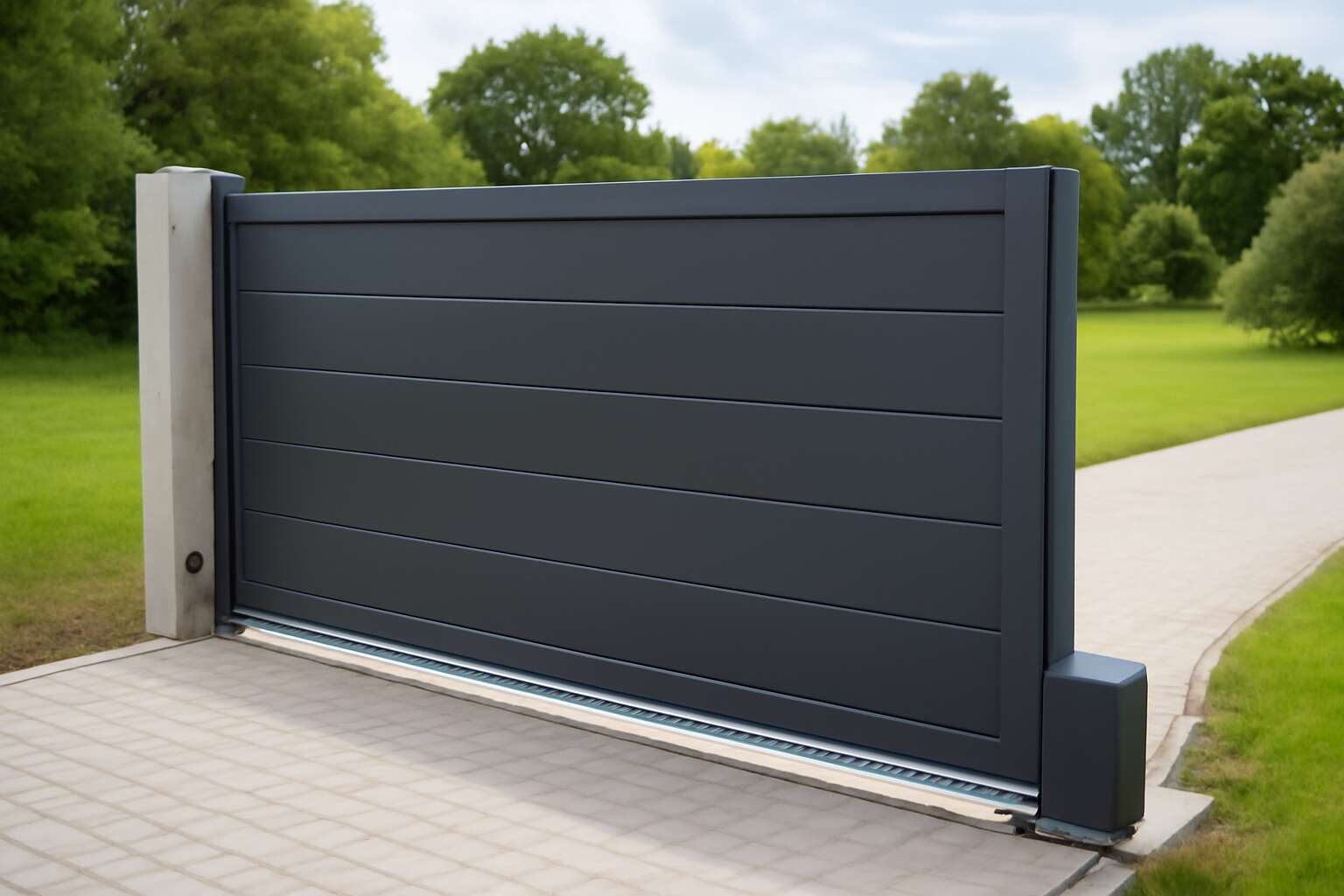
Types of Materials for Sliding Gates
Wood
When it comes to choosing the perfect sliding gate materials, durability and aesthetic appeal often top the list of priorities. In South Africa, where weather conditions can be unpredictable, selecting the right material ensures longevity and security. Wooden sliding gates, in particular, offer a warm, natural charm that seamlessly blends with both modern and rustic homes. Their versatility allows for intricate carvings or simple, elegant designs, making them a popular choice among homeowners seeking a touch of character.
However, not all woods are created equal. Hardwoods like teak and mahogany boast exceptional resistance to the elements, while softer varieties may require more maintenance over time. The natural grain of wood can be accentuated with protective finishes, which enhance the visual appeal and shield against harsh South African climates.
Incorporating wood into sliding gate materials provides a timeless appeal, but it’s essential to weigh factors such as:
- Weather resistance
- Maintenance requirements
- Security features
Choosing the right wood for sliding gates in South Africa is about balancing beauty with practicality—ensuring your gate remains a stunning, secure entryway for years to come.
Steel
Steel remains an indomitable force among sliding gate materials, transforming functional barriers into statements of strength and sophistication. Its resilience against South Africa’s unpredictable climate makes it a top contender for homeowners seeking durability and security. With its robust composition, steel offers a formidable barrier against intruders, while also providing the flexibility to incorporate intricate designs or sleek modern aesthetics.
Not all steel is created equal, however. The choice of galvanised or powder-coated steel can significantly influence longevity, especially when faced with the country’s harsh sun and humidity. These protective layers shield the material from rust and corrosion, ensuring your sliding gate remains pristine through the years.
For those who crave a blend of strength and style, steel can be customized with various finishes and detailing. Whether you prefer a minimalist industrial look or ornate features, steel’s versatility shines through. It stands as a testament to how sliding gate materials can be both resilient and visually compelling, making it an enduring choice for South African homes.
Aluminum
Among the pantheon of sliding gate materials, aluminum emerges as a truly enchanting choice—light yet resilient, sophisticated yet practical. Its ethereal quality lies in its ability to mimic the elegance of more traditional materials while offering unparalleled ease of installation and maintenance. In South Africa’s climate, where sun and humidity dance unpredictably, aluminum’s natural resistance to rust and corrosion makes it a steadfast guardian of your property.
What makes aluminum stand out is its versatility. It can be crafted into sleek, modern lines or intricate ornamental designs, transforming functional barriers into captivating art pieces. For those seeking a fusion of durability and style, aluminum’s adaptability is unmatched. Consider this: aluminum sliding gates can be customized with powder coating in a spectrum of hues, ensuring your gate is both resilient and visually stunning. Its lightweight nature also means smoother operation and less wear over time, promising a lasting allure for years to come.
PVC and Vinyl
PVC and vinyl have rapidly gained recognition as resilient and versatile sliding gate materials, especially suited to South Africa’s diverse climate. These materials are celebrated for their exceptional resistance to weathering, making them ideal for humid coastal regions and the scorching sun of inland areas. Unlike traditional wood or steel, PVC and vinyl do not rust, warp, or crack, ensuring longevity with minimal maintenance.
What truly sets these sliding gate materials apart is their ability to mimic the appearance of more expensive options while offering practical benefits. They can be manufactured to resemble wood grain or sleek modern finishes, providing a range of aesthetic choices. Additionally, PVC and vinyl are lightweight, which means smoother operation and less strain on your gate opener. This durability combined with aesthetic flexibility makes PVC and vinyl an increasingly popular choice for those seeking cost-effective yet stylish sliding gates.
For those exploring options, here are some key advantages of PVC and vinyl sliding gate materials:
- Resistance to rust, corrosion, and pests
- Low maintenance and easy to clean
- Customizable colors and finishes to match any property style
- Durability against South Africa’s extreme weather conditions
Composite Materials
When exploring the realm of sliding gate materials, it’s fascinating to observe how innovation has broadened the spectrum beyond traditional choices. Composite materials, in particular, exemplify this evolution, blending the best qualities of multiple substances to create a resilient, aesthetically appealing solution. These advanced composites often combine elements like fiberglass, resin, and recycled plastics, resulting in a lightweight yet sturdy gate that withstands South Africa’s harsh weather conditions.
What makes composite materials for sliding gates especially compelling is their ability to offer a sustainable alternative without sacrificing durability. They resist warping, cracking, and corrosion—traits that are vital in regions prone to extreme heat, humidity, and salt-laden air. Moreover, composite materials can be tailored to match any property’s aesthetic preferences, from modern sleek finishes to more traditional wood-like textures, thus seamlessly integrating form and function.
In the landscape of sliding gate materials, composites are increasingly viewed as a versatile and eco-friendly choice. Their capacity for customization, combined with low maintenance demands, positions them as a forward-thinking solution for homeowners and businesses alike. As the quest for longevity and elegance continues, composite materials stand out as a testament to how innovation can redefine the standards of quality and resilience in sliding gates.
Factors to Consider When Choosing Gate Materials
Durability and Longevity – Material resistance to weather and wear
When choosing the ideal sliding gate materials, durability and longevity aren’t just buzzwords—they’re the backbone of a smart investment. South Africa’s unpredictable climate, with its scorching sun, torrential rains, and occasional hailstorms, tests the mettle of every gate. You want materials that can stand up to the elements without warping, rusting, or succumbing to wear and tear.
Weather resistance is a critical factor in the durability of sliding gate materials. For example, galvanized steel offers excellent rust resistance, but it requires maintenance to keep corrosion at bay. Aluminum, on the other hand, boasts natural resistance to corrosion, making it a popular choice for coastal regions and humid environments.
It’s also worth considering how materials handle everyday wear. Heavy-duty sliding gate materials should resist scratches, dents, and fading—especially if your gate faces frequent use or exposure to harsh UV rays. In fact, some materials come with protective coatings that extend their lifespan and keep them looking pristine longer.
Choosing the right sliding gate materials involves weighing these factors carefully—because a gate isn’t just a barrier; it’s a statement piece that should endure decades of South African weather with style and strength.
Maintenance Requirements – Ease of upkeep and cleaning
Choosing the perfect sliding gate materials is not just about aesthetics or strength; it’s about the ease of upkeep and how seamlessly they fit into your daily routine. South African weather can be unpredictable, and a gate that demands constant attention can quickly become a burden. The good news is, some materials are designed with maintenance in mind, offering a hassle-free experience without sacrificing durability.
When considering sliding gate materials, it’s essential to evaluate how much effort it takes to keep them looking their best. Materials like aluminum and PVC are celebrated for their low-maintenance qualities—they resist rust, fading, and corrosion naturally, requiring only occasional cleaning. Conversely, steel might need periodic anti-rust treatments or paint touch-ups to maintain its pristine look. To help streamline your decision, here’s a quick overview of typical maintenance needs:
- Regular cleaning with mild soap and water to remove dirt and grime.
- Inspection for signs of rust or damage, especially in coastal areas.
- Applying protective coatings or paint to extend the lifespan of certain sliding gate materials.
By understanding the maintenance requirements, you can select sliding gate materials that align perfectly with your lifestyle, ensuring your gate remains a stunning, functional centerpiece for years to come. After all, a gate isn’t just an entry point—it’s a statement of durability and style, crafted to withstand South Africa’s unique climate with minimal fuss.
Security and Strength – Material strength for safety
In the grand tapestry of home security, the strength of your sliding gate materials can be the defining thread that weaves safety with resilience. South Africa’s diverse climate demands a material that doesn’t just stand tall but also guards your property with unwavering fortitude. When selecting sliding gate materials, consider the inherent strength of each option—because safety isn’t just about deterrence; it’s about enduring the tests of time and elements.
Steel remains a popular choice for its exceptional strength, offering a formidable barrier against intrusion. Its robustness ensures that even the most determined intruders think twice. Aluminum, though lighter, provides impressive strength-to-weight ratio, making it a versatile and durable option that resists warping and bending. For those prioritizing security, evaluating the tensile strength and impact resistance of your sliding gate materials is paramount.
It’s also worth noting that some materials incorporate advanced reinforcement—such as steel reinforcements within composite panels—to elevate their safety profile. When choosing sliding gate materials, always weigh their ability to withstand physical assaults while seamlessly blending with your aesthetic preferences. After all, a gate that combines beauty with brute strength crafts a true statement of security and style.
Aesthetic Appeal – Design options and visual impact
When selecting sliding gate materials, aesthetic appeal is often the secret ingredient that transforms a functional barrier into a captivating entryway. The visual impact of your gate can set the tone for your entire property, blending security with style in a dance of design and durability. South Africa’s vibrant climate means your choice of material must not only look stunning but also withstand the sun’s relentless glare and sudden storms.
There’s a world of design options available, from sleek modern lines to ornate traditional motifs. Whether you prefer the rustic charm of timber, the clean minimalism of aluminum, or the bold robustness of steel, your gate’s appearance can reflect your personality and complement your home’s architecture. The key is to consider how each material’s natural texture and finish will evolve over time, adding character or requiring maintenance.
To help guide your decision, consider these factors:
- Color palette and finish options that harmonize with your surroundings
- The ability to incorporate decorative elements or custom engravings
- The overall design style—whether ornate, contemporary, or industrial—that aligns with your property’s aesthetic
Ultimately, choosing the right sliding gate materials is about balancing visual appeal with the practical realities of South Africa’s climate. When executed thoughtfully, your gate becomes more than just a security feature—it’s a statement of style and sophistication that welcomes visitors with elegance and confidence.
Cost and Budget – Initial investment and long-term costs
When it comes to choosing the perfect sliding gate materials, one factor stands taller than the rest: cost and budget. In South Africa’s vibrant market, where every rand counts and the weather has a flair for the dramatic, making an investment in your gate isn’t just about shiny aesthetics—it’s about smart spending. While some might be tempted by the allure of flashy materials, the reality is that initial investment and long-term costs can make or break your project.
Opting for cheaper options might seem tempting at first, but beware of hidden expenses lurking in maintenance and replacement. Conversely, investing in quality sliding gate materials upfront can save you a fortune in repairs and upkeep down the line. To keep your budget on track, consider these factors:
- The durability and lifespan of the material—will it withstand South Africa’s harsh sun and storms?
- The complexity and cost of installation—some materials require specialized skills that bump up labor costs.
- Maintenance requirements—does the material demand frequent cleaning or protective coatings?
Ultimately, balancing your aesthetic desires with financial practicality ensures your slide gate remains a worthwhile investment. Because in the grand scheme of home security and style, choosing the right sliding gate materials is about more than just looks—it’s about making your money work as hard as your gate does.
Environmental Impact – Sustainability and eco-friendliness
In an era where environmental consciousness shapes our choices more than ever, selecting sustainable sliding gate materials isn’t just an ethical decision—it’s a pragmatic one. South Africa’s diverse climate, from scorching sun to sudden storms, calls for materials that align with eco-friendly principles while standing resilient to nature’s whims. When evaluating sliding gate materials, consider their environmental impact, including the lifecycle emissions and recyclability. Green options like recycled aluminum or composite materials often outperform traditional choices in reducing carbon footprint, making your investment a statement of sustainability.
Moreover, eco-friendly sliding gate materials can contribute to energy efficiency and lower maintenance costs. For instance, biodegradable coatings or non-toxic paints enhance the eco profile without sacrificing durability. It’s worth noting that the production process itself matters—materials manufactured with minimal waste and energy consumption embody true sustainability. Ultimately, selecting environmentally conscious sliding gate materials ensures your property aligns with global efforts to protect our planet, transforming an everyday feature into a symbol of responsible living.
Popular Material Combinations and Customization
Mixed Materials – Combining wood and metal or other materials
In the realm of sliding gate materials, innovation often dances on the edge of tradition, creating marvels that blend strength with artistry. Among the most captivating trends is the fusion of mixed materials—where the rustic charm of wood whispers alongside the sleek resilience of metal. These combinations craft gateways that are not merely functional but poetic, echoing the harmony of nature and industry. Imagine a gate where warm, textured wood panels are embraced by cool, polished steel frames—each element elevating the other, creating a visual symphony that commands attention.
For those seeking bespoke elegance, customizations involving mixed materials open a universe of design possibilities. Combining wood and metal not only enhances aesthetic appeal but also offers practical benefits such as increased durability and tailored security. Here are some popular material combinations to consider:
- Wood and Steel – a classic pairing that balances rustic charm with industrial strength.
- Aluminum and Glass – offering transparency and modern sophistication.
- Composite and PVC – delivering low maintenance with high visual impact.
Mixing these materials in sliding gate designs allows for a unique interplay of textures and colors, transforming ordinary entrances into statement pieces that resonate with character and craftsmanship. The art lies in blending durability with beauty, where each material’s intrinsic qualities are celebrated, making your sliding gate a true extension of your property’s soul. Such customization not only elevates visual appeal but ensures the gate withstands the South African climate—a testament to thoughtful engineering and aesthetic finesse.
Custom Finishes – Painting, staining, and other decorative options
In the shadowed corridors of design, the choice of sliding gate materials transforms a mere entrance into an enigmatic portal—an extension of your property’s soul. Customization elevates this transformation, allowing the craftsperson’s hand to carve unique finishes that whisper stories of elegance and resilience. From the matte allure of painted surfaces to the rich depth of stained wood, every detail can be tailored to echo your vision. Decorative options such as textured paints, weather-resistant coatings, or even intricate patterns breathe life into these formidable structures.
When exploring custom finishes, consider the enduring charm of a powder-coating that guards against the relentless South African climate, or a hand-applied staining that accentuates the natural grain of wood. The palette is vast—metallic hues, matte shades, or even bespoke color matching—each choice adding a layer of mystique to your sliding gate materials. This nuanced approach ensures that your gate is not merely functional but a testament to artistry and craftsmanship, standing resilient against time’s relentless march.
- Painting: Infuse your sliding gate with vibrant hues or subtle tones, providing a protective barrier against the elements.
- Staining: Enhance the natural beauty of wood, bringing warmth and texture to the fore, while also offering weather resistance.
- Decorative finishes: Embossed patterns, textured coatings, or metallic accents can turn a utilitarian gate into a visual masterpiece.
In South Africa’s diverse climate, selecting the right custom finishes for sliding gate materials is paramount—each layer of paint or stain becomes a shield and a statement. The interplay of textures and hues transforms ordinary entryways into portals of character, woven with the artistry of bespoke craftsmanship and the resilience needed to withstand the elements’ relentless gaze.
Incorporating Glass – Adding transparency for modern designs
When it comes to sliding gate materials, innovation doesn’t have to mean sacrificing durability for style. Popular material combinations are redefining modern entrances—adding both strength and sophistication. Incorporating glass into these structures creates a striking contrast, offering transparency that enhances natural light and visual appeal. This approach is especially appealing in South Africa’s diverse climate, where a blend of materials must withstand the elements while remaining visually compelling.
Customizing sliding gate materials with glass allows for sleek, contemporary designs that maintain security without feeling imposing. Combining glass with steel or aluminum not only elevates aesthetic appeal but also introduces a sense of openness and connection to the surroundings. For those seeking a more distinctive look, layered combinations such as wood with metal accents can achieve a warm yet resilient finish, blending tradition with modernity. In the end, these tailored material choices ensure your gate is as functional as it is a statement piece—crafted to endure and impress for years to come.
Maintenance Tips for Different Sliding Gate Materials
Wood – Sealing, staining, and weatherproofing
When considering sliding gate materials, the longevity of a wooden gate hinges on meticulous maintenance practices that preserve its natural charm. Unlike metal counterparts, wood demands a proactive approach—sealing, staining, and weatherproofing are not merely aesthetic choices but essential defenses against South Africa’s capricious climate. Over time, exposure to intense sun, humidity, and occasional downpours can compromise wood’s integrity if left unchecked.
To ensure your wooden sliding gate remains resilient, applying a high-quality sealant annually creates a formidable barrier against moisture infiltration. Staining not only enhances visual appeal but also penetrates the grain, offering added protection from UV rays and weathering. Weatherproofing treatments, especially those formulated for outdoor wooden structures, extend the lifespan of your gate, keeping it sturdy and visually appealing for years. Regular inspections, coupled with prompt touch-ups, can prevent warping, rotting, or splintering that often plague untreated wood.
- Ensure proper sealing before installation.
- Reapply stain and weatherproofing treatments every 2-3 years.
- Clean the surface periodically with gentle, non-abrasive cleaners to remove dirt and debris that can trap moisture.
By embracing these maintenance tips tailored to sliding gate materials like wood, homeowners can safeguard their investment while maintaining the aesthetic harmony of their property—because a well-cared-for wooden gate isn’t just functional; it’s a statement of enduring craftsmanship and natural elegance.
Steel – Rust prevention and repainting
Steel, renowned for its formidable strength and resilience, commands attention among sliding gate materials. Yet, even the strongest warriors need armor and maintenance to withstand South Africa’s often harsh climate. Rust, the silent adversary, can undermine the integrity of steel gates if neglected. Regular inspections are crucial—look for any signs of corrosion or discoloration that signal vulnerability. Repainting with a high-quality, weather-resistant coating not only refreshes the aesthetic but also forms an essential barrier against moisture and oxidation.
For those who seek longevity and minimal fuss, a systematic approach is paramount. An annual reapplication of protective paint or specialized anti-rust primer can turn back the clock on corrosion. Should rust appear, it’s wise to sand down affected areas before recoating, ensuring a seamless, protective finish. Remember, the key to preserving the integrity of sliding gate materials like steel lies in consistent, vigilant maintenance—because even the most durable material can falter without proper care!
Aluminum – Cleaning and minor repairs
Aluminum sliding gate materials are celebrated for their lightweight yet sturdy nature, making them a popular choice among South African homeowners seeking effortless operation. To keep these gates looking pristine and functioning smoothly, regular cleaning is essential. A simple wash with mild soap and water can remove dust, dirt, and grime accumulated from the dusty roads or coastal breezes. For minor repairs, such as scratches or small dents, touch-up paint designed specifically for aluminum can do wonders. Applying a protective coating periodically not only preserves the gate’s appearance but also shields it from corrosive elements.
In addition, inspecting hinges, rollers, and tracks ensures seamless movement and prevents premature wear. If you notice any signs of oxidation or discoloration, addressing them promptly with non-abrasive solutions can extend the lifespan of your sliding gate materials. Remember, consistent maintenance transforms a good gate into a long-lasting investment, especially when dealing with South Africa’s diverse climate zones that test the resilience of every component.
PVC and Vinyl – Cleaning procedures
When it comes to maintaining sliding gate materials made from PVC and vinyl, a simple yet consistent cleaning routine can significantly extend their lifespan. These materials are prized for their resistance to moisture and ease of upkeep, making them ideal for South African climates that often fluctuate between humid coastal weather and arid inland conditions.
To keep your PVC or vinyl sliding gate looking pristine, regular washing with lukewarm water and mild soap is recommended. Avoid harsh chemicals or abrasive scrubbers, as they can damage the surface. For stubborn dirt buildup, a soft-bristle brush can gently lift grime without scratching the material.
- Use a non-abrasive cleaner specifically formulated for vinyl or PVC
- Rinse thoroughly to remove soap residue
- Dry with a soft cloth to prevent water spots
Addressing minor damages, such as scratches, is straightforward. Applying a repair kit designed for PVC or vinyl can restore the visual appeal without fuss. Periodic inspections for signs of warping or discoloration help catch issues early, ensuring your sliding gate remains functional and attractive for years to come. Proper maintenance not only sustains the aesthetic charm but also safeguards against environmental wear, especially in South Africa’s diverse climate zones.
Composite – General upkeep
Composite sliding gate materials have gained recognition for their impressive balance of strength and aesthetic versatility. Unlike traditional materials, composite options combine the best of both worlds, offering durability against South Africa’s harsh climates and a refined visual appeal. To maintain their integrity, a simple routine of cleaning with mild soap and water is often enough to keep these gates looking fresh and functional.
For deeper upkeep, inspecting your composite sliding gate materials periodically can uncover early signs of wear or damage. Unlike metal or wood, composite materials resist warping and rot, but they still benefit from gentle maintenance. A soft cloth or sponge can remove dirt, while a non-abrasive cleaner ensures the surface remains unscathed. If scratches or minor blemishes appear, specialized repair kits are available, making repairs straightforward and cost-effective.
- Regularly check for any signs of fading or surface damage.
- Use non-abrasive cleaners to preserve the material’s natural look.
- Address scratches promptly with appropriate repair solutions.
Ultimately, proper maintenance of composite sliding gate materials extends their lifespan, ensuring they continue to serve as a secure and stylish barrier while resisting South Africa’s diverse environmental challenges. When kept in top condition, these gates deliver impressive longevity, making them an investment that combines resilience and visual appeal effortlessly.
Conclusion
Choosing the right sliding gate materials isn’t just about aesthetics; it’s about forging a barrier that withstands South Africa’s dynamic climate and diverse terrains. The perfect material balances durability, security, and style—turning a functional feature into a statement piece. From the sleek appeal of aluminium to the robust resilience of steel, each option offers unique advantages tailored to specific needs.
When assessing sliding gate materials, consider factors like maintenance, cost, and longevity. Aluminum, for example, resists rust and requires minimal upkeep, making it ideal for coastal regions. Steel provides unmatched strength and security, though it may need protective coatings against corrosion. Wood, on the other hand, offers a warm, natural look but demands regular maintenance to endure the elements.
- Durability
- Security
- Design flexibility
- Cost-effectiveness
Ultimately, the best choice hinges on your specific environment and aesthetic preferences. The array of sliding gate materials available ensures that every homeowner or business can find a solution that’s both practical and visually appealing, elevating property value while safeguarding what matters most.


0 Comments